


Since going independent I’ve rediscovered my love for the local library.
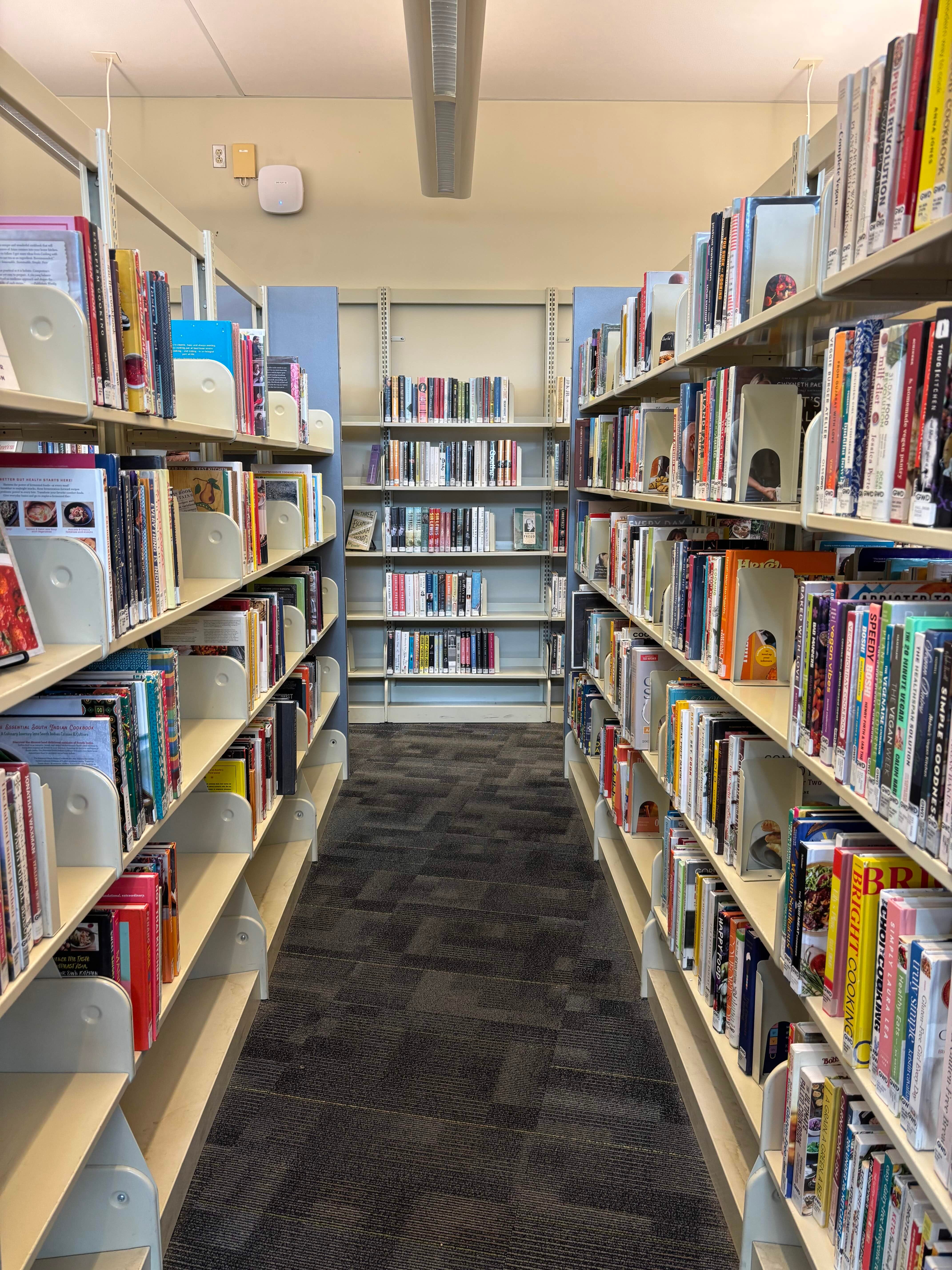
I first started going with my son. It’s a perfect little outing. Seven minute walk. Stroller parking right in front. A reading room and plenty of books to bring home and be repurposed as weaponry by my wonderful, feral child.
But these library trips quickly became an indispensable tool in my strategic work, especially in the early discovery phase of any project.
I rarely go with a specific list of books to check out. Instead, I keep an eye out for books articles and other media in four genres:
Genre 1: Media directly related to whatever category the brand I’m working on is in. If I’m working on a granola brand, for example, I look for stuff specifically about breakfast and cereal. This might include anything from a book on the history of American breakfast foods to a literal granola recipe book. The goal is to quickly get trusted information about a category from a diversity of perspectives.
Genre 2: Media adjacent to that brand’s category. This could be books on sourcing, materials, complementary categories, downstream categories, relevant trends, etc. I want to better understand the broader ecosystem of the category. What are the inputs, where are the vulnerabilities, the critical points in the supply chain? To go back to the granola example, this means I might pick up a book on organic or regenerative agricultural practices.
Genre 3: Books and magazines the brand’s target audience might have on their bookshelves at home. This can feel a bit abstract, but the goal is just to better understand the everyday experiences and perspectives of the people we’re designing for, beyond the confines of the traditional consumer research I often have at my disposal. For granola, I’m probably browsing popular health and wellness magazines, cookbooks, self-help books, and maybe even parenting books.
Genre 4: Browser’s choice. I’ll go find interesting-looking books in a section completely unrelated to the category I’m working in. Maybe I’ll grab a book about fables, or architecture, or mushroom foraging. The goal is to find non-obvious connections. This is a fantastic way to tap into different writing styles, descriptive language, and, if I’m lucky, unexpected analogs I can use to frame my work. That random book of folklore I grabbed from the shelf might have beautiful ways of talking about connection to place—something that makes a lot of sense for a granola brand that’s deeply tied to its community.
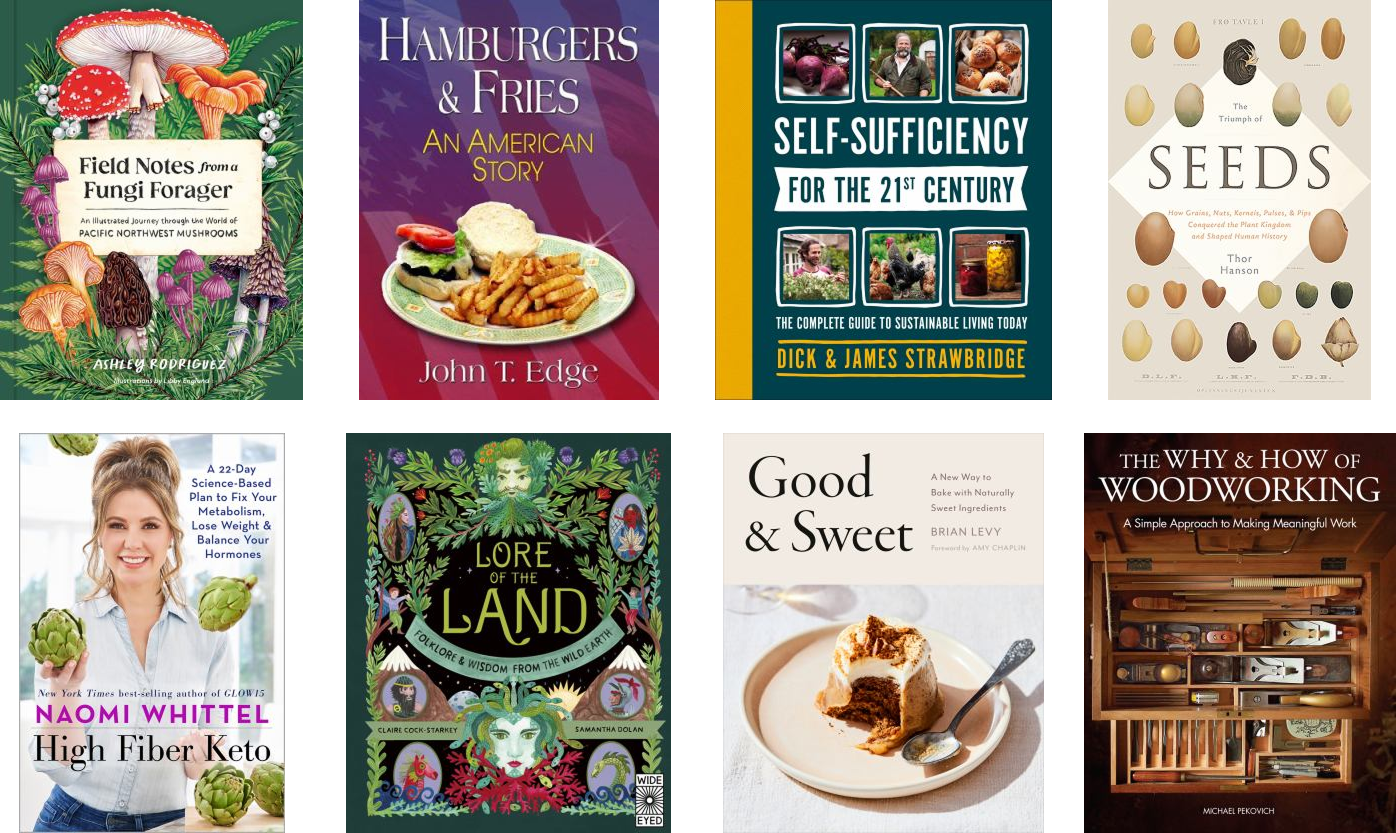
Strategists are professional borrowers. We love lifting ideas from one domain and adapting it for another. I can’t tell you how many times I found a brilliant anecdote or case study in a fashion magazine or scientific journal that inspired a new way of thinking about a consumer brand.
That said, having such a broad variety of inputs can be overwhelming, and I’m working on a piece that will outline the methods I use to synthesize a variety of inputs like these. For now, I’m focusing on the collection.
Most often I’m skimming with a notebook next to me. I’m writing down interesting quotes, facts, words and sentences I enjoy. An old mentor used to call this process “brailling,” or reading by feel. Literally, anything that makes you stop and say, “Whoa, that’s interesting.” Did you know that Judean palm date seeds, once completely extinct, can lie dormant for thousands of years buried under long forgotten cityscapes and spring to life when placed in potting soil? Well, now you do. What was I going to do with that information? Who knows! That’s the magic of this work.
Be curious. Go to the library.
Disclaimer: All writing conceived, edited and published by humans. AI is great, just not for writing.