


One of my favorite parts of the job as a brand strategist is a good ol’ fashioned store walk. It’s where we get to see our work in the wild, get inspired, and identify trends across categories.
There’s no right or wrong way to do a store walk, but there is a common way. Working on an ice cream brand? Head over to the freezer aisle, pull out your phone, and start snapping pictures of pints. Want to know what’s happening in fiber? Walk the store and identify how fiber claims are showing up across categories.
This is valuable, but it’s barely scratching the surface.
The way we see things is affected by what we know or what we believe. That may seem obvious, but it’s easy to forget when we’re walking down those aisles.
The objective when doing a store walk is to see differently. Or, really, to see in as many different ways as possible. In doing so, we get closer to how actual people experience the products around them.
Here are some of the ways I try to see differently on my own store walks. Test them out for yourself and see if they help you notice things you’d otherwise miss. Think of these as little challenges you can do each time you go into the store. (And be sure to bring a notepad to document what you see!)
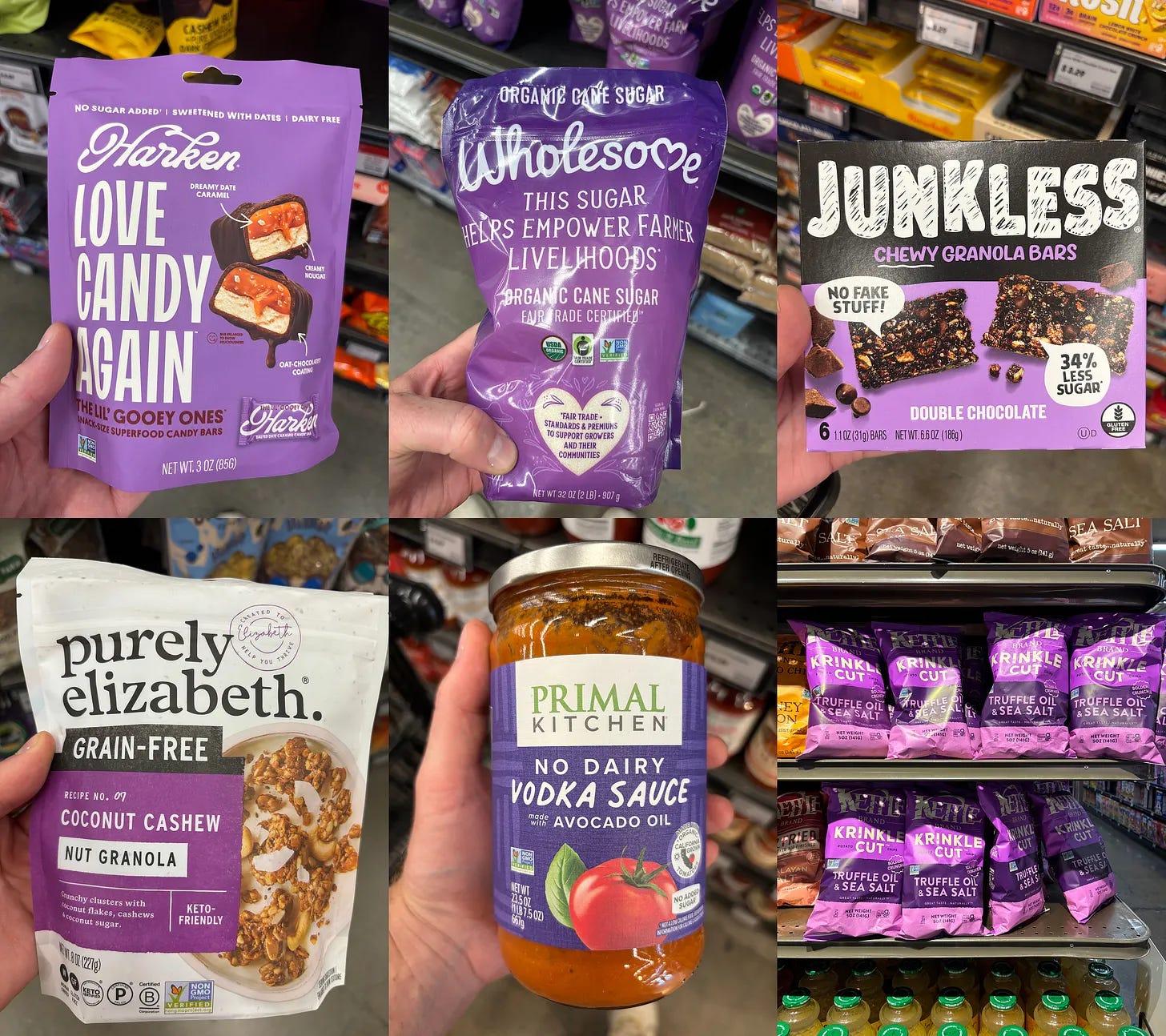
Seek patterns across categories:
Find all the objects you can that feature a specific color.
Look for every permutation of a particular shape.
Go find everything with a cow on it.
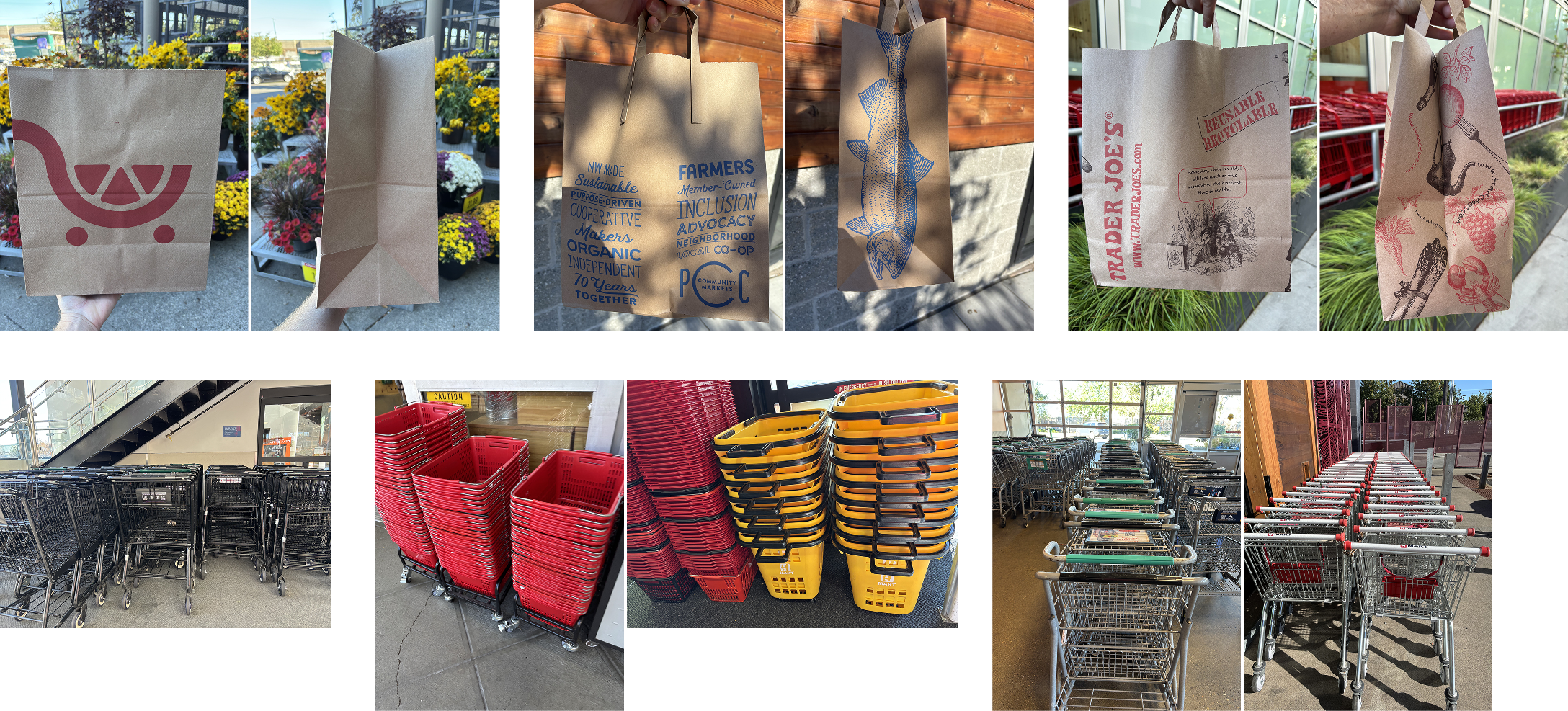
Document the (seemingly) identical. As you move from store to store, take pictures of the “same” thing: the entrances, signage, shopping carts, shelf tags, even the paper bags. The more abstract you get the more fun you’ll have. Focusing your attention on one thing will help you notice the differences between them.
Take your focus off of what’s on the shelf and instead turn your attention to who’s shopping a particular aisle or category.
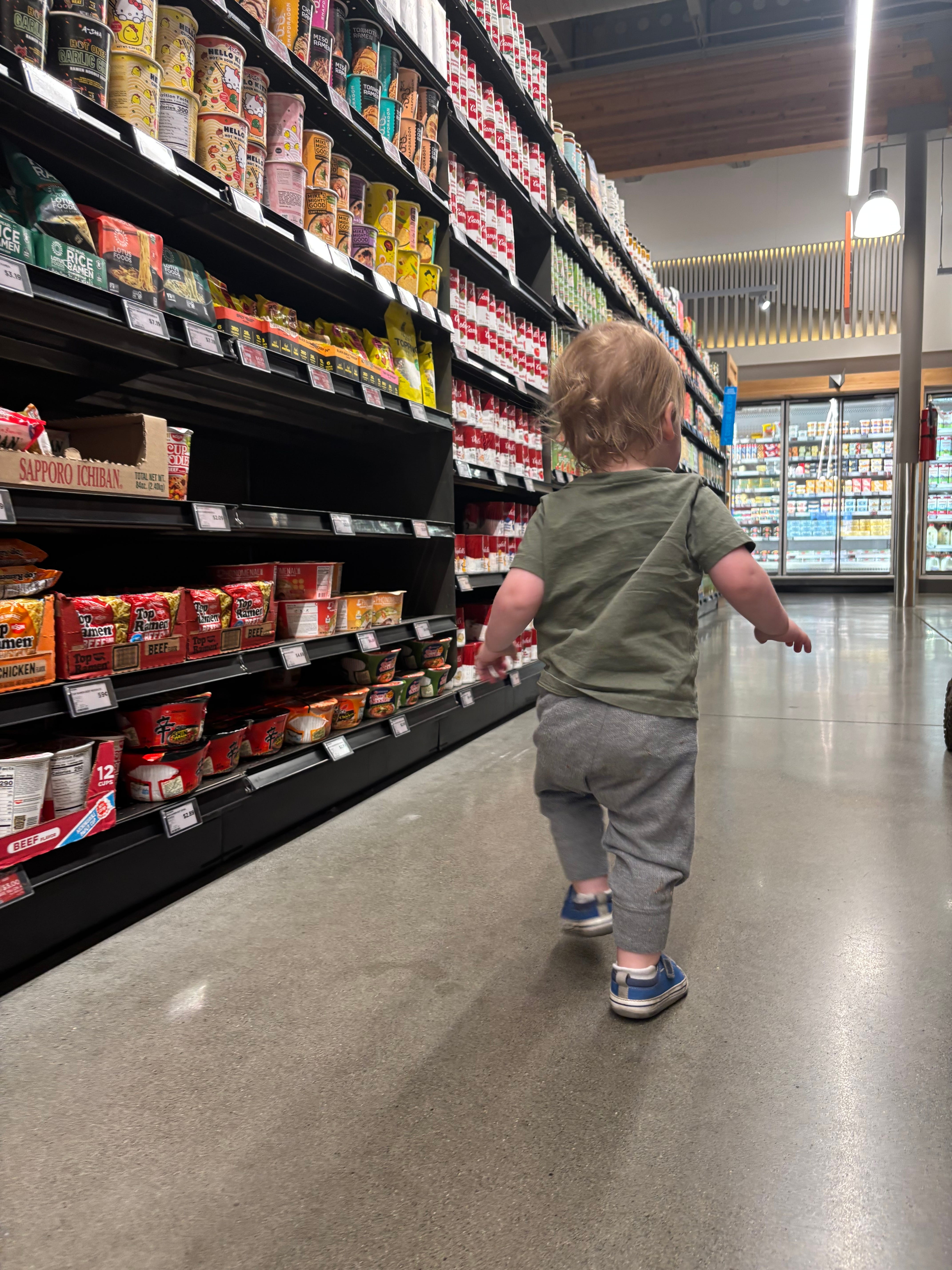
Change your perspective:
See like a child would. What does the store look like from three feet high?
Put on blue light blocking glasses and notice what brands/claims start to stand out.
Take a store walk hungover. What products appeal to you? What makes you nauseated?
Construct a short story through images, characters, or products that catch your eye. Establish a beginning, middle and end. Is it a love story? A high stakes heist? Imagining what happens next in your short story will require you to quickly find and draw out key details around you.
Use ALL your senses:
Instead of relying on just your eyes, take an auditory snapshot of each store. You’ll learn different things about an environment by asking what it sounds like. What conversations do you overhear? Is there music playing? Are phones ringing?
Find similar textures in different parts of the store. Are there specific finishes being used in certain categories? What does premium feel like in each category? What does value feel like?
Some of these activities may seem silly, but trust me–they work. We often have to trick our minds in order to see familiar things anew.
This is how a strategist moves beyond just documenting what’s showing up in a particular category to finding the uncommon connections that can inspire new approaches to brand work.
Disclaimer: All writing conceived, edited and published by humans. AI is great, just not for writing.